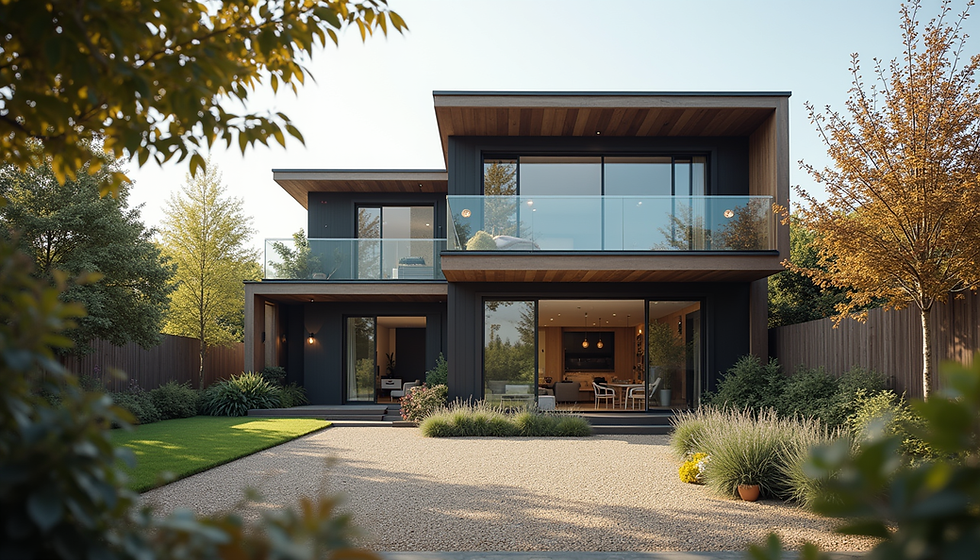
Innovative Loft Conversion Ideas for Your Home: Attic Transformation Tips
Transforming your loft can unlock a whole new level of comfort and style in your home. I’ve seen how a well-planned attic conversion can add space, value, and personality to a house. Whether you want a cosy retreat, a functional workspace, or an extra bedroom, the possibilities are exciting. Here, I share some innovative loft conversion ideas for your home, along with practical attic transformation tips to help you get started.
Maximising Space with Smart Layouts: Attic Transformation Tips
One of the biggest challenges in loft conversions is making the most of the available space. Attics often have sloping ceilings and awkward corners, but clever design can turn these into assets rather than obstacles.
Use built-in storage: Custom cupboards and shelves fitted into the eaves keep clutter out of sight and free up floor space.
Create zones: Divide the loft into distinct areas for sleeping, working, or relaxing. This helps the space feel larger and more organised.
Opt for open-plan: Removing unnecessary walls can open up the loft and let natural light flow through.
Consider mezzanine levels: If the ceiling height allows, a mezzanine can add an extra floor for sleeping or storage.
For example, I worked on a project where we installed a built-in desk under the sloped roof, paired with floating shelves above. This made a perfect compact home office without crowding the room.
Choosing the Right Loft Conversion Style
There are several types of loft conversions, each with its own benefits and design considerations. Picking the right style depends on your budget, space, and planning permissions.
Dormer conversion: Adds a box-like extension with vertical walls and a flat roof. It increases headroom and floor space significantly.
Mansard conversion: Changes the roof shape to create a steep, almost vertical wall. It’s ideal for maximising space but will likely require planning permission.
Hip-to-gable conversion: Extends the sloping side of the roof to create a vertical wall. Great for semi-detached or detached homes.
Velux conversion: Uses skylights to bring in light without changing the roof shape. It’s usually the simplest and most cost-effective option.
Each style offers different opportunities for natural light, ventilation, and views. For instance, dormer windows can frame a beautiful garden vista, while Velux windows flood the space with daylight.

Dormer loft conversion with smart storage and natural light
Creative Uses for Your Loft Space
A loft conversion doesn’t have to be just another bedroom. Think about how you want to live and what space you need most. Here are some innovative ideas:
Home cinema: Install blackout blinds, surround sound, and comfy seating for a private movie room.
Art studio: Use natural light from skylights and add storage for supplies.
Guest suite: Include a small ensuite bathroom for privacy and convenience.
Children’s playroom: Bright colours, soft flooring, and plenty of storage make it a fun and safe space.
Library or reading nook: Floor-to-ceiling bookshelves and a cosy window seat create a perfect retreat.
One of my projects involved a design for a client who wanted their loft converted into a yoga and meditation space. The ceiling (or skeiling) shapes lead to interesting shapes to enjoy whilst using calm colours, natural materials, and minimal furniture to create a peaceful atmosphere.
Lighting and Ventilation: Key Attic Transformation Tips
Good lighting and ventilation are essential for a comfortable loft conversion. Without them, the space can feel cramped and stuffy.
Maximise natural light: Use skylights, dormer windows, or roof windows to bring in daylight.
Layer your lighting: Combine ambient, task, and accent lighting to create a warm and functional environment.
Install ventilation: Roof vents or trickle vents in windows (as required for all new windows) help keep air fresh and prevent damp.
Maximum insulation: Good insulation keeps the loft warm in winter and cool in summer (and will considerably save on bills).
For example, adding a Velux window with a remote-controlled blind can make a big difference in comfort and usability.

Bright loft space with skylights and layered lighting
Practical Steps to Start Your Loft Conversion Project
Starting a loft conversion can feel overwhelming, but breaking it down into clear steps makes it manageable.
Assess feasibility: Check your loft’s size, height, and structure. Some homes may need structural work. It's worth noting that regulations require a minimum head height of 2 metres at the top of the stairs. Don't forget to allow for the additional height required for the reinforcement of floor (usually totalling around 220mm)
Set a budget: Include design, materials, labour, and any planning fees.
Hire professionals: Work with architects, builders, and designers who understand loft conversions.
Get planning permission: Most conversions need approval, especially if you change the roof shape.
Design your space: Focus on layout, lighting, storage, and finishes.
Prepare for disruption: Plan for noise and dust during construction.
Enjoy your new space: Once complete, personalise it with furniture and decor.
If you want inspiration and expert advice, check out loft conversion ideas uk for a range of styles and solutions tailored to UK homes.
Making Your Loft Conversion Feel Like Home
The final touches make all the difference. Choose colours, textures, and furniture that reflect your style and make the space inviting.
Use light colours to enhance brightness.
Add rugs and throws for warmth.
Incorporate plants to bring life and freshness- they'll love the light up there!
Choose multifunctional furniture to save space.
Personalise with artwork and photos.
A loft conversion is more than just an extension. It’s a chance to create a unique space that fits your lifestyle perfectly.
Transforming your attic is an exciting journey. With the right ideas and planning, you can turn an unused space into a beautiful, functional part of your home. Whether you want a quiet retreat, a lively playroom, or a stylish guest suite, these attic transformation tips will help you make the most of your loft conversion.